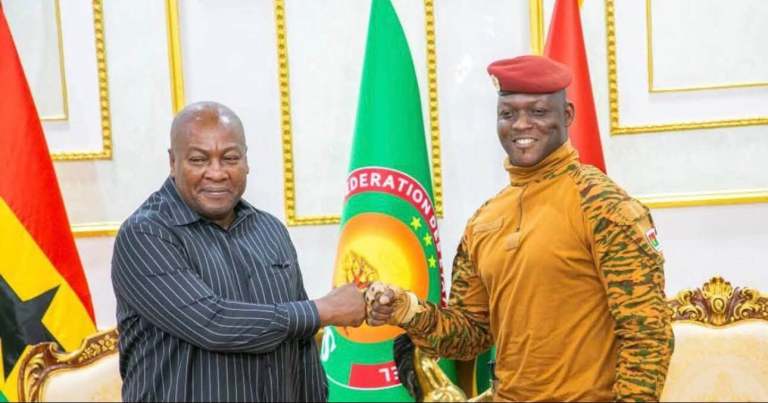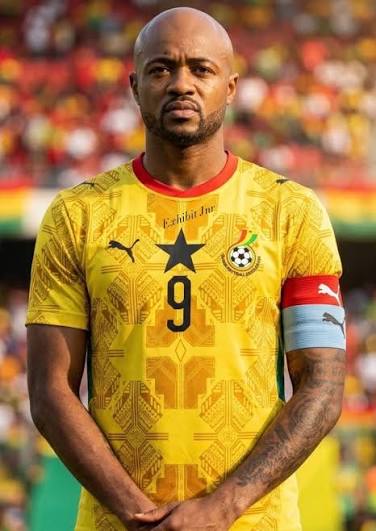
A Railway With the Potential to Change More Than Transportation The proposed railway connection between Ghana and Burkina Faso is being viewed by many as far more than an infrastructure project. If completed, the railway would link Ghana's port city of Tema to Ouagadougou, providing Burkina Faso with more efficient access to the Atlantic Ocean …
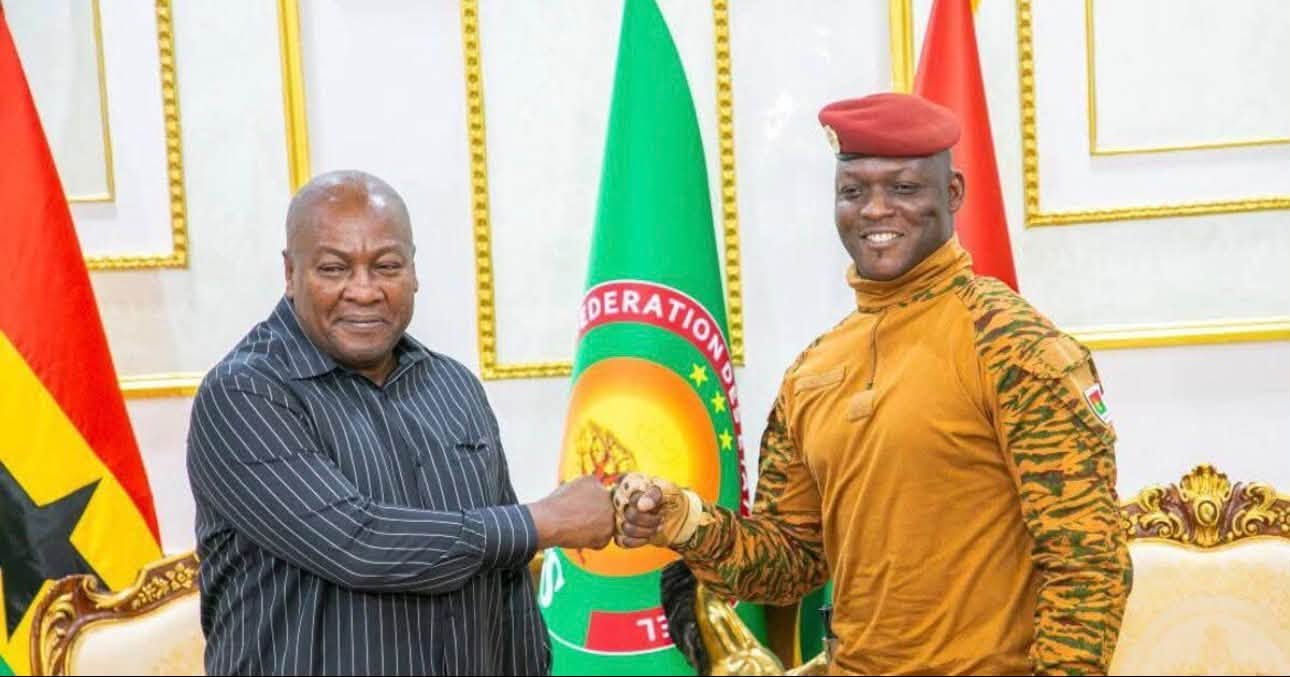
A Railway With the Potential to Change More Than Transportation
The proposed railway connection between Ghana and Burkina Faso is being viewed by many as far more than an infrastructure project. If completed, the railway would link Ghana’s port city of Tema to Ouagadougou, providing Burkina Faso with more efficient access to the Atlantic Ocean while strengthening trade ties between the two neighboring countries.
For supporters of African integration, the project represents an opportunity to advance a vision that has been discussed for generations: an Africa connected by its own infrastructure, serving its own people and economies.
Reimagining African Connectivity
For decades, much of Africa’s transport infrastructure was developed during the colonial era, with routes primarily designed to move raw materials from inland regions to ports for export abroad.
Critics of that model argue that it left many African countries more connected to international markets than to each other.
The Ghana-Burkina Faso railway offers a different possibility.
Imagine:
- Ghanaian manufacturers accessing markets across the Sahel more efficiently.
- Burkinabè businesses transporting goods to coastal ports faster.
- Reduced transportation costs for regional trade.
- Greater economic cooperation between West African nations.
Supporters believe such projects can help unlock new opportunities for businesses and entrepreneurs across the region.
The Role of Pan-Africanism
The conversation surrounding the railway has also revived interest in Pan-Africanism, the idea that African nations should work more closely together politically, economically, and socially.
Ghana has long played a symbolic role in that movement.
Under the leadership of Ghana’s first President, Dr. Kwame Nkrumah, the country became one of the strongest advocates for African unity and cooperation.
Today, many observers believe infrastructure projects such as railways, roads, energy networks, and trade corridors could become the modern expression of Nkrumah’s vision.
Because, as some analysts argue, true African integration cannot be achieved through speeches and conferences alone.
It must be built through:
- Trade
- Transportation
- Industrial cooperation
- Energy partnerships
- Freedom of movement
Ibrahim Traoré and a New African Narrative
The discussion has also drawn attention to Burkina Faso’s leader, Captain Ibrahim Traoré, whose rise has made him a popular figure among many young Africans calling for greater economic independence and self-reliance.
Regardless of political opinions about his leadership, Traoré has become a symbol for a growing movement that questions Africa’s long-standing dependence on foreign economic and political structures.
For supporters of that movement, projects such as the Ghana-Burkina Faso railway represent practical steps toward a more self-sufficient future.
An Opportunity for Ghana
For the administration of President John Dramani Mahama, the railway presents both an economic and strategic opportunity.
A stronger transportation link with Burkina Faso could increase international trade through Ghana’s ports while enhancing the country’s position as a regional logistics hub.
At the same time, it could strengthen economic ties between coastal and landlocked West African states, creating benefits that extend far beyond national borders.

More Than Steel and Concrete
If successfully implemented, the railway could become one of the most significant regional infrastructure projects in West Africa.
Beyond carrying passengers and cargo, it would stand as a symbol of what African cooperation can achieve when countries invest in long-term regional development.
The project’s success could also inspire similar initiatives across the continent, creating stronger trade links between African economies and reducing barriers to growth.
The Bigger Question
The real debate is not simply whether Ghana and Burkina Faso can build a railway.
The bigger question is:
Can African countries finally begin building infrastructure primarily designed to connect African markets and strengthen African economies?
For many Pan-Africanists, that is the true significance of the Ghana-Burkina Faso railway.
Because if the project succeeds, it may become more than a transportation corridor.
It could become a powerful symbol of African self-reliance, regional cooperation, and a future built around African priorities.
Trend Ghana Question
🌍 Do you believe projects like the Ghana-Burkina Faso railway are the key to Africa’s economic independence and regional growth?
✅ Yes, Africa must invest more in regional infrastructure.
❌ No, there are more urgent priorities.
Share your opinion in the comments.