
The Democratic Republic of the Congo (DRC) is facing a worsening Ebola crisis, with confirmed cases now surpassing 6,000, making it the largest Ebola outbreak in the country's history and one of the fastest-growing outbreaks ever recorded. Health authorities reported more than 6,040 confirmed infections and nearly 3,000 deaths as of the latest update. The …
DRC Ebola Cases Surpass 6,000 as Schools and Health Workers Face Growing Pressure
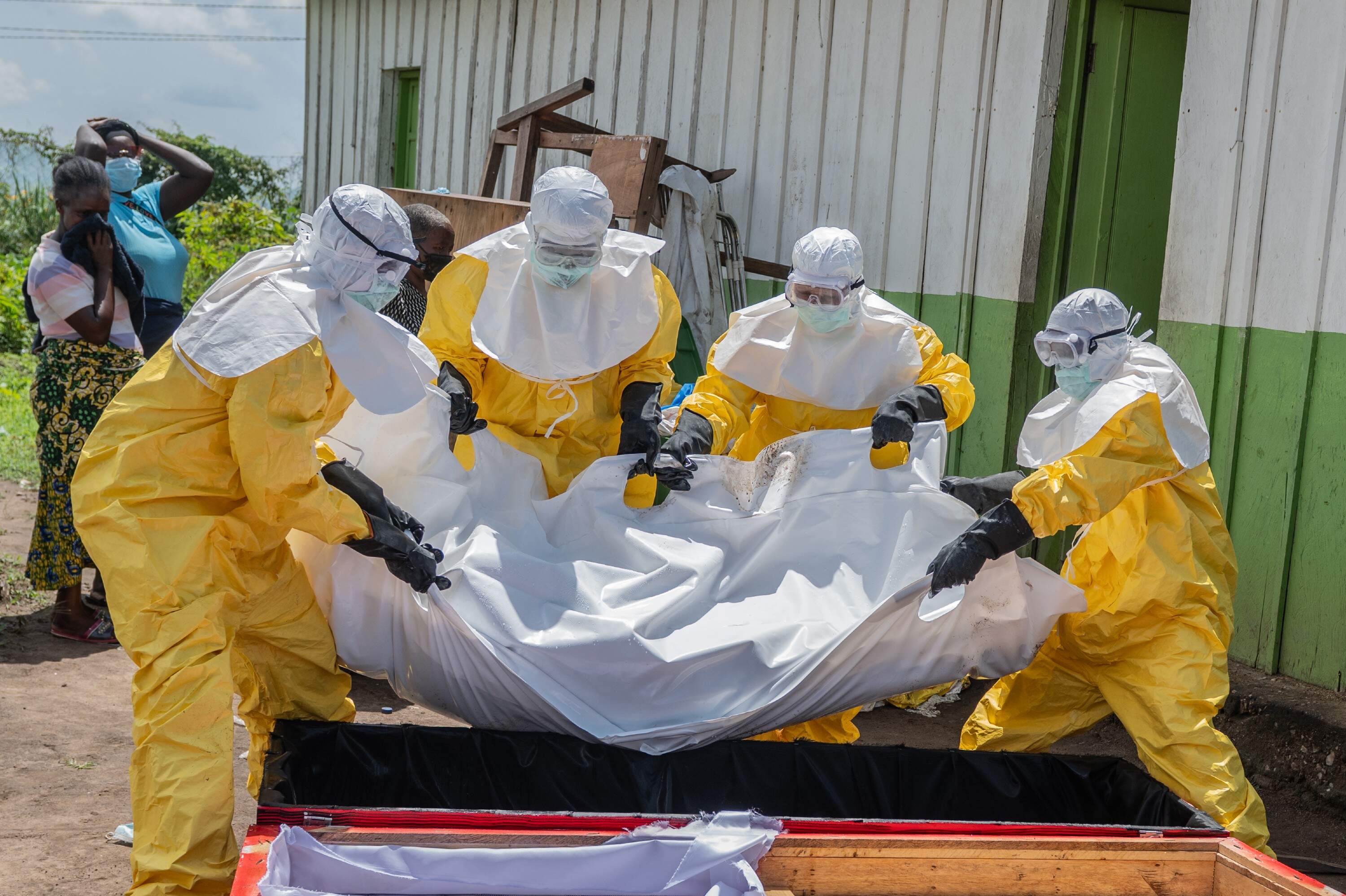
The Democratic Republic of the Congo (DRC) is facing a worsening Ebola crisis, with confirmed cases now surpassing 6,000, making it the largest Ebola outbreak in the country’s history and one of the fastest-growing outbreaks ever recorded. Health authorities reported more than 6,040 confirmed infections and nearly 3,000 deaths as of the latest update.
The outbreak, driven by the rare Bundibugyo strain of the Ebola virus, has spread across multiple provinces, with Ituri Province remaining the epicentre. Health officials say the absence of an approved vaccine specifically for this strain has complicated efforts to control transmission.
Growing concern is also being directed toward schools in affected communities. Public health experts warn that crowded classrooms and close contact among students could create conditions for further transmission if strict prevention measures are not maintained. Authorities have intensified screening, awareness campaigns, and monitoring efforts around educational institutions in high-risk areas.
Meanwhile, frontline healthcare workers continue to face enormous challenges. Hospitals and treatment centres are struggling with heavy patient loads, shortages of protective equipment, security concerns, and staffing pressures. Some healthcare workers have reported delayed payments and difficult working conditions while responding to the outbreak.
In response, health authorities and international partners have expanded emergency containment measures, including rapid case detection, contact tracing, isolation facilities, infection-control procedures, and community awareness campaigns. The World Health Organization and other partners have also delivered emergency medical supplies and deployed additional response teams to affected regions.
The outbreak is spreading in an area already affected by insecurity, population displacement, and fragile healthcare infrastructure, making response efforts particularly challenging. Public health officials fear that continued movement of people within and across borders could increase the risk of wider regional transmission if containment measures are not strengthened.
Despite the alarming figures, more than 1,300 patients have recovered, offering hope as health authorities continue working to break chains of transmission and protect vulnerable communities. Officials are urging residents to report symptoms early, follow public health guidance, and cooperate with contact-tracing teams to help slow the spread of the deadly disease.